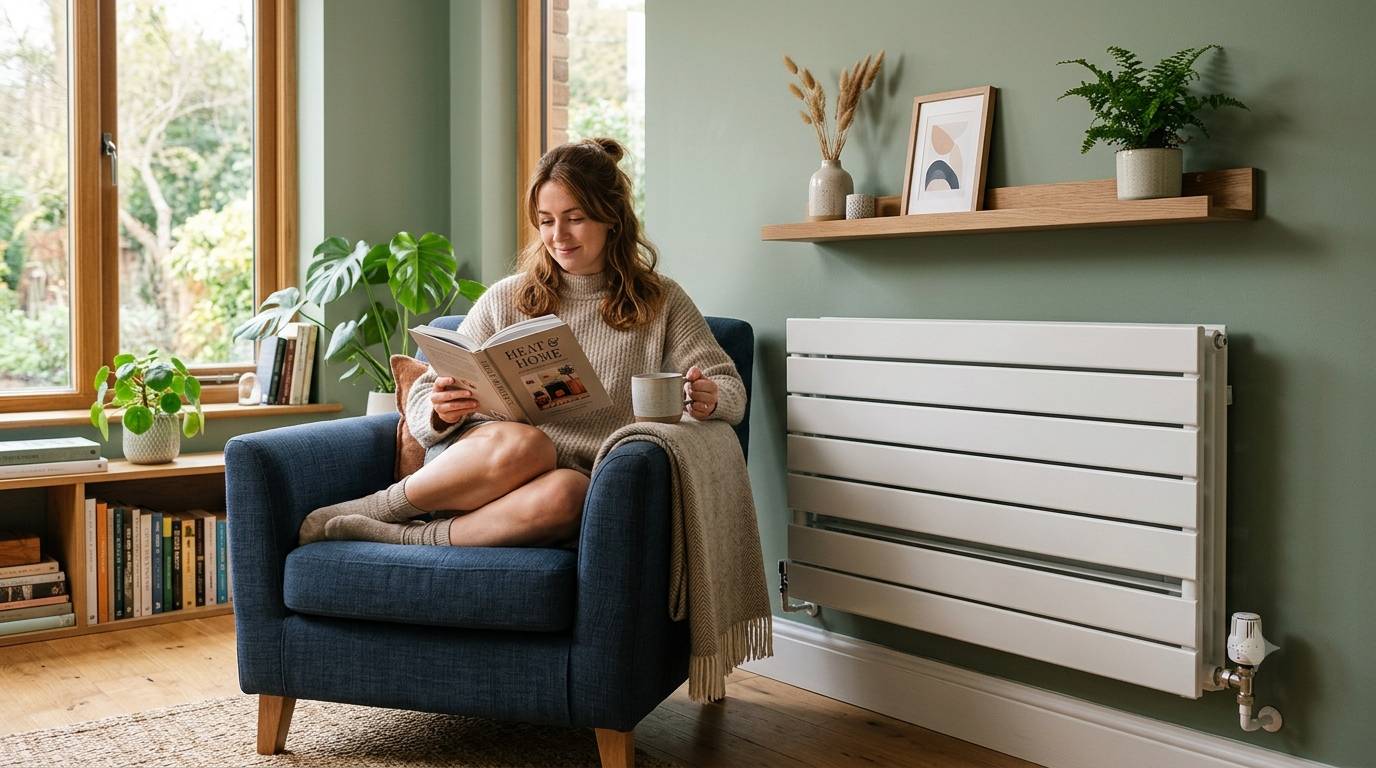
Radiator quality influences far more than room temperature. It affects comfort, energy use, durability, appearance, and confidence in the wider heating system. Understanding what separates a dependable radiator from a poor one helps homeowners make a stronger long-term choice and avoid weak performance, early replacement, and unnecessary heating costs later.
A radiator may seem like a simple metal panel, but its quality affects comfort, efficiency, and reliability. Homeowners often focus on size, colour, or price instead of design and build quality. Choosing dependable Stelrad Radiators means considering heat output, construction, finish, compatibility, and lifespan. A well-made radiator provides consistent warmth, handles daily use, and lasts for years, helping create a reliable heating system for colder seasons.
Radiator Quality Starts with Strong Construction
A radiator must cope with repeated heating and cooling, circulating water, internal pressure, and daily household use. Its panels, seams, connections, brackets, and protective coating all need to be manufactured accurately. Small weaknesses may not be obvious at installation, but they can affect reliability later.
A quality radiator should have clean edges, secure fittings, consistent connections, and an even finish. It should also be tested for safe operation within the intended heating system. Pressure testing and recognised manufacturing standards provide valuable reassurance because a radiator is an active part of a pressurised heating system.
Reliable Heat Output Creates Better Comfort
The purpose of a radiator is to transfer heat into a room. Good design ensures reliable output through the right combination of panels, fins, surface area, and water flow, while clear technical data supports accurate selection.
Heat output is measured in British Thermal Units or watts and depends on room size, insulation, glazing, external walls, and desired temperature. A radiator that is too small may leave the room cold, while oversizing can increase costs, making correct sizing just as important as quality.
Better Radiators Support Efficient Heating
A wet central heating radiator does not create energy but transfers heat from circulating water into the room. Its design, panels, fins, and surface area affect how efficiently this happens, helping the space reach its target temperature without unnecessary strain on the system.
Efficiency also depends on the boiler, controls, pipework, insulation, system balance, and installation. While a quality radiator cannot fix faults elsewhere, a correctly specified model supports better overall performance. Homeowners should compare performance data rather than assume similar-sized radiators perform the same.
Durability Matters for Long-Term Value
Most radiators stay in place for many years, facing temperature changes, cleaning, minor impacts, and constant exposure to the room environment. Weak materials or poor finishes may only show issues over time.
A clear warranty offers reassurance, but its terms should be checked carefully. Coverage can vary based on radiator type, location, ventilation, water treatment, and alterations. Stelrad notes that many horizontal steel panel radiators have ten-year warranties, while others differ.
The Finish Protects More Than Appearance
The outer finish improves appearance and protects the steel beneath. A durable coating helps prevent deterioration, though scratches, harsh cleaners, poor repainting, and limited ventilation can cause damage.
Room suitability is also important. Bathrooms, kitchens, and utility areas place different demands than dry spaces. Homeowners should ensure the radiator suits its location and follow care and installation guidance to maintain its condition and warranty.
Quality Provides Useful Design Choice
Modern homes require different radiator styles. Horizontal panels suit many rooms, vertical models fit narrow spaces, towel radiators warm bathrooms, designer options enhance interiors, and electric models suit areas without pipework.
The range of Stelrad Radiators includes standard panel, vertical, designer, electric, towel, and low surface temperature options. This variety supports layout choices without compromising performance. The best model still meets the required output and suits the heating system, with style complementing correct sizing.
Correct Sizing Protects the Investment
Even a high-quality radiator will disappoint if incorrectly sized. A small model may run longer without enough warmth, while an oversized one can cost more and reduce comfort with unsuitable controls.
A heat-loss calculator provides a useful starting point by considering room size and heat loss factors. For unusual spaces, renovations, poor insulation, or lower-temperature systems, a qualified heating engineer should confirm the calculation, especially when replacing a boiler or preparing for heat-pump heating.
Installation Determines Final Performance
Radiator quality and installation quality must work together. Secure brackets, suitable valves, correct pipe connections, appropriate positioning, and proper system balancing influence the final result. A badly installed unit can heat unevenly, leak, make noise, or fail to deliver its expected output.
The condition of the heating water matters as well. Corrosion debris and sludge can restrict circulation even in a well-made radiator. Professional installation is advisable when pipework must change or the new radiator differs in size, weight, output, or connection layout. Purchase and installation records should also be kept.
Simple Care Preserves Radiator Quality
Good manufacturing does not remove the need for maintenance. Release trapped air if the radiator is cold at the top, and note that cold areas near the bottom may indicate sludge or restricted flow. Ensure valves work properly and boiler pressure stays within the recommended range.
Keep panels and fins free of dust so air can circulate, and avoid blocking the radiator with furniture or curtains. Persistent leaks, corrosion, pressure loss, or recurring cold spots need professional attention, as early action protects the radiator and the wider heating system.
Conclusion
Radiator quality affects more than appearance. It influences heat output, comfort, durability, maintenance, and long-term value. Homeowners should choose models with solid construction, clear performance data, proper testing, a protective finish, and reliable warranty support. They should also ensure correct sizing and compatibility with the property.
Well-made Stelrad Radiators provide reliable warmth in various styles and sizes. Their performance still depends on proper sizing, installation, balanced flow, suitable controls, and regular care. Considering these factors helps homeowners avoid choosing based only on price or appearance, resulting in a radiator that fits well, performs efficiently, and delivers lasting comfort and value.