Building a wardrobe that lasts is no longer just about style; it is about making thoughtful choices that combine quality, practicality, and long-term value. In a world where fast fashion dominates, many people find themselves replacing clothes far more often than necessary. This not only affects personal budgets but also contributes to unnecessary waste.
Shopping smarter does not mean spending excessively. It means understanding what makes clothing durable, how to choose wisely, and how to prioritise pieces that serve you well over time. With a few practical adjustments, it is possible to create a wardrobe that looks good, feels comfortable, and stands the test of time.
Focus on Fabric Quality First
One of the most important factors in long-lasting clothing is fabric quality. The material determines how a garment feels, how it holds its shape, and how well it resists wear.
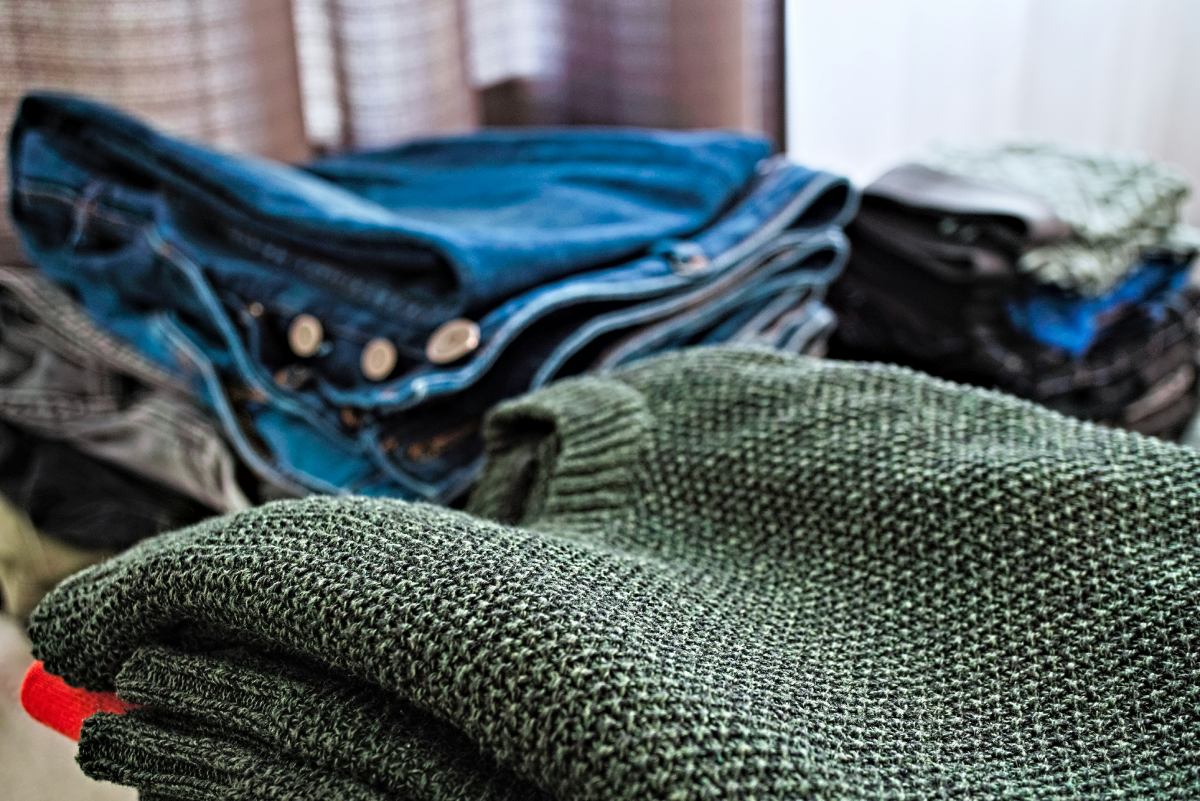
Natural fibres such as cotton, wool, and linen tend to be more breathable and durable when properly cared for. However, not all fabrics are equal, even within the same category. For example, tightly woven cotton or high-grade wool generally lasts longer than thinner, loosely constructed alternatives.
When shopping, take a moment to feel the fabric. Heavier, well-constructed materials often indicate better quality. Check if the fabric springs back after being stretched slightly—this can be a sign of resilience.
Pay Attention to Construction Details
Beyond fabric, the way a garment is made plays a major role in its lifespan. Poor stitching or weak seams can cause even good-quality material to fail quickly.
In the third paragraph of your evaluation process, it helps to look closely at small but significant details:
- Check stitching for consistency and tightness
- Look for reinforced seams in high-stress areas
- Examine buttons, zips, and fastenings for durability
- Ensure hems are neatly finished and secure
These elements may seem minor, but they often determine whether a piece lasts months or years.
Choose Timeless Over Trend-Driven Pieces
Avoid Overly Trend-Based Purchases
Fashion trends can be appealing, but they tend to change quickly. Investing heavily in trend-driven items often leads to a wardrobe filled with pieces that feel outdated after a short time.
Instead, focus on styles that remain relevant across seasons. Classic cuts, neutral colours, and versatile designs are easier to pair with other items and maintain their appeal over time.
Build a Versatile Wardrobe
A wardrobe built on versatility allows you to create multiple outfits with fewer items. This not only saves money but also reduces the need for frequent shopping.
In the fourth paragraph of your buying strategy, consider these practical approaches:
- Select neutral tones that mix easily with other colours
- Choose simple silhouettes that work for different occasions
- Prioritise layering pieces that adapt to changing weather
- Invest in staples such as well-fitted trousers, shirts, and outerwear
This approach ensures that each item earns its place in your wardrobe.
Understand Fit and Comfort
Clothing that fits well is more likely to be worn regularly and kept for longer. Poorly fitting items often end up unused, regardless of their quality.
When trying on clothes, consider how they feel when you move. A good fit should allow comfortable movement without pulling or sagging. Pay attention to key areas such as shoulders, waist, and length.
It is also worth remembering that tailoring can extend the life of a garment. Small adjustments can transform an average fit into something that feels personalised and more enjoyable to wear.
Check Care Requirements Before Buying
Durability is not only about how clothes are made—it also depends on how they are maintained. Some garments require more careful handling, which may not suit everyone’s lifestyle.
Before making a purchase, check the care label. Items that require frequent dry cleaning or delicate washing may not be practical for everyday use. Choosing pieces that are easy to care for increases the likelihood that they will remain in good condition over time.
Simple habits such as washing at lower temperatures, air drying, and storing clothes properly can significantly extend their lifespan.
Shop with Intention, Not Impulse
Impulse buying is one of the main reasons wardrobes become cluttered with short-lived items. Taking a more intentional approach can lead to better decisions and longer-lasting purchases.
Before buying something new, ask yourself whether it fills a genuine gap in your wardrobe. Consider how often you will wear it and whether it pairs well with what you already own.
A useful strategy is to pause before purchasing. Giving yourself time to think can help you avoid unnecessary items and focus on pieces that truly add value.
Invest in Fewer, Better Pieces
Quality often outweighs quantity when it comes to clothing. While higher-quality items may have a higher upfront cost, they tend to last longer and perform better over time.
Investing in fewer, well-made pieces reduces the need for constant replacements. It also creates a more refined wardrobe where each item serves a purpose.
This approach does not require a complete overhaul. Gradually replacing lower-quality items with better alternatives can make a noticeable difference.
Conclusion
Shopping for clothes that last longer is about making informed, thoughtful choices rather than following quick trends or convenience. By focusing on fabric quality, construction, fit, and versatility, it becomes easier to build a wardrobe that remains reliable over time.
Small changes in how you shop can lead to lasting benefits both financially and practically. A well-curated wardrobe not only simplifies daily dressing but also reflects a more mindful approach to fashion.